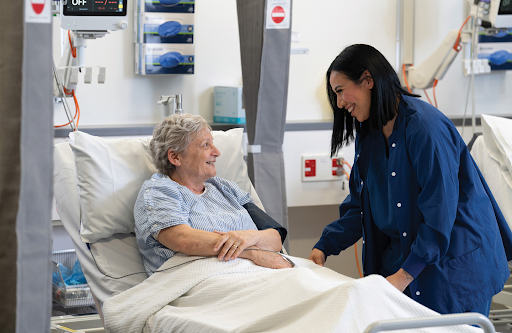
Recovery after shoulder surgery involves allowing the joint to heal while gradually restoring movement and strength. Guidance from a shoulder surgeon in Adelaide can help patients understand each stage. Following advice on pain management, shoulder protection, physiotherapy, daily activities, and follow-up care can support steady recovery and a safe return to usual routines.
Manage Pain and Swelling
Pain and swelling are common during early recovery. Your healthcare team will provide advice based on your procedure and needs. Helpful measures include:
- Take Pain Relief as Directed: Take prescribed medicines at the dose and times recommended by your healthcare team.
- Use Ice as Advised: Apply a cold pack when recommended, following guidance on how long to use it.
- Support Your Shoulder: Keep your arm supported in the position your surgeon or physiotherapist recommends.
Following personalised medical advice can help manage discomfort during early recovery.
Protect Your Shoulder During Healing
You may need to adjust everyday movements while your shoulder heals. Practical ways to protect it include:
- Use Your Sling Correctly: Wear your sling for the period your healthcare team recommends.
- Move With Care: Follow medical guidance about lifting, pushing, pulling, and shoulder movement.
- Sleep Comfortably: Use the recommended sleeping position to keep your shoulder supported.
- Adapt Daily Tasks: Dress, bathe, and complete routine activities within the advised range of movement.
These steps help protect the shoulder while you continue with everyday tasks.
Follow Your Rehabilitation Plan
Physiotherapy can help restore shoulder movement, strength, and function after surgery. Complete the exercises your physiotherapist prescribes at the recommended pace, and attend scheduled sessions. Your rehabilitation plan may change as healing progresses, allowing exercises and activity levels to match your stage of recovery.
Return to Daily Activities Gradually
Returning to work, driving, exercise, and sport usually happens in stages. Timing depends on the procedure, recovery progress, and demands of each activity. A shoulder surgeon in Adelaide can assess healing and advise when you can resume activities safely. Following this guidance helps ensure that activity levels match your recovery.
Know the Signs That Need Medical Attention
Monitoring your wound and general health is an important part of recovery. Signs to discuss with your healthcare team include:
- Increasing Redness: Redness around the wound that becomes more noticeable.
- Wound Discharge: New or unusual fluid from the wound.
- Fever: A raised temperature or feeling generally unwell.
- Increasing Swelling: Swelling that becomes noticeably greater.
- Worsening Pain: Severe pain or pain that increases during recovery.
Contacting your healthcare team promptly allows them to assess these changes.
Keep Up With Follow-Up Care
Follow-up appointments allow your healthcare team to review healing, shoulder movement, and rehabilitation progress. If you receive ongoing care at an Adelaide private hospital attend appointments as scheduled by your treating team. These reviews allow the recovery plan to be adjusted as your shoulder improves.
Conclusion
Recovery after shoulder surgery takes time and varies between patients. Managing discomfort, protecting your shoulder, completing prescribed rehabilitation, and attending follow-up appointments can support steady progress. Following your healthcare team’s advice can help you increase activity at an appropriate pace and return to everyday routines gradually
About The Author