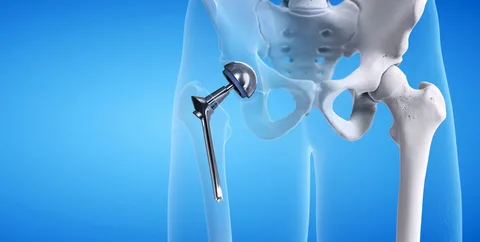
Few decisions in orthopedics are as personal as whether and when to replace a hip. For people living with constant pain, limping, and shrinking independence, hip joint replacement surgery can be life-changing. But it isn’t a decision to rush into, or to put off for too long. Surgeons weigh many factors beyond what appears on an X-ray. Understanding them can help you have a clearer, more confident conversation with your doctor.
1. How Much the Hip Is Affecting Your Life
The most important question isn’t what the scan looks like. It’s how you’re doing day to day. Doctors ask about:
- Pain while walking, resting, or at night
- Trouble with stairs, getting out of chairs, or putting on shoes and socks
- Limping or needing a cane or walker
- Stiffness that limits movement
- Interrupted sleep
- Reduced ability to work, travel, or enjoy hobbies
When pain and stiffness steadily take over everyday activities, surgery becomes a serious consideration.
2. Whether Non-Surgical Treatment Has Been Tried
Replacement is usually considered after a reasonable trial of conservative care. This can include:
- Pain relievers and anti-inflammatory medicines
- Physiotherapy and targeted strengthening
- Activity modification and walking aids
- Weight management
- Injections in selected cases
If these options give meaningful relief, surgery may be postponed. If they no longer help, or the joint damage is advanced, replacement becomes more reasonable.
3. The Underlying Diagnosis
Different conditions behave differently:
- Osteoarthritis: gradual wear of cartilage, the most common reason
- Avascular necrosis (AVN): loss of blood supply to the femoral head, which can lead to collapse
- Inflammatory arthritis: such as rheumatoid arthritis
- Post-traumatic arthritis: after a fracture or injury
- Developmental hip problems: such as dysplasia
- Hip fractures: particularly femoral neck fractures in older adults, which may need prompt surgery
The cause influences timing, implant choice, and expected outcomes.
4. What the Imaging Shows
X-rays reveal joint space narrowing, bone spurs, cysts, and deformity. These findings can help guide decisions around hip joint replacement surgery. Advanced imaging like MRI or CT may be used for early AVN, complex anatomy, or detailed surgical planning.
A key point: imaging and symptoms don’t always match. Someone with severe-looking arthritis may have mild pain, while another person with modest changes may suffer greatly. Surgeons treat the patient, not the picture.
5. Age, Activity Level and Bone Quality
Modern implants last many years, and age alone isn’t a barrier. Your surgeon will think about:
- Age and expected activity: Younger, active patients may place higher demands on implants.
- Bone quality: Osteoporosis or poor bone stock can influence implant choice and fixation.
- Anatomy: Unusual shapes or previous surgeries may require special planning.
6. Overall Health and Medical Conditions
Surgery is safest when your body is well prepared. Surgeons and anesthetists review:
- Diabetes: Good blood sugar control lowers infection and healing risks.
- Heart and lung conditions: These affect anesthesia risk.
- Kidney and liver function.
- Anemia and nutrition: Low protein, vitamin D, or hemoglobin can slow recovery.
- Blood thinners and other medicines: Some need adjustment before surgery.
- Obesity: Higher body weight can raise surgical risks and wear on implants, though it isn’t an absolute barrier.
7. Infection Risk Factors
Infection around an implant is serious. Before surgery, doctors look for and treat:
- Dental problems
- Skin infections or ulcers
- Urinary infections
- Other sources of bacteria
8. Lifestyle Factors
- Smoking slows wound healing and raises complication risks. Quitting before surgery helps.
- Alcohol can affect healing and medication safety.
- Activity before surgery matters, since stronger muscles often mean easier recovery.
9. Support at Home and Recovery Readiness
Recovery depends on more than the operation. Your surgeon may ask:
- Who will help during the first weeks?
- Is your home safe, with minimal stairs and clear walking paths?
- Can you attend physiotherapy sessions?
- Are you motivated to follow rehab instructions?
Preparation here can make a big difference to outcomes.
10. Your Goals and Expectations
Replacement relieves pain and improves function for most people, but it doesn’t create a brand-new hip. Honest conversations should cover:
- What you hope to be able to do afterward
- What activities may need to be avoided or modified
- How long recovery typically takes
- Realistic outcomes for your situation
11. Surgical Planning and Technology
Modern planning often involves CT-based 3D mapping and, in some centers, robotic assistance that helps position implants as planned. Choices include:
- Cemented vs. uncemented implants
- Bearing surfaces such as ceramic or polyethylene
- Surgical approach
Your surgeon will recommend options based on your anatomy, bone quality, and lifestyle.
12. Understanding the Risks
Every surgery has risks. Discuss them openly:
- Infection
- Blood clots
- Dislocation
- Leg length difference
- Implant loosening or wear over time
- Nerve or blood vessel injury
- Anesthesia-related risks
Risks are generally low, and preparation reduces them further.
When Is the Right Time?
There’s no universal date. The right time is usually when pain and limitation clearly outweigh the risks, and non-surgical measures are no longer enough. Waiting too long can lead to muscle weakness, deformity, and a harder recovery. Operating too early may not be necessary. A thoughtful surgeon helps you find the balance.
Questions to Ask Your Surgeon
- Is my hip damage advanced enough for replacement?
- Which non-surgical options are still worth trying?
- What are my specific risks?
- Which implant and technique do you recommend, and why?
- What will recovery look like for me?
- What happens if I wait?
Final Thought
The decision to replace a hip comes down to how much the joint limits your life, whether conservative care still helps, what the diagnosis and scans show, and whether your health and home support are ready for surgery. When these line up, replacement can restore comfort and mobility. Ask your surgeon for a written estimate that explains what’s included, since hip replacement cost varies with the implant, hospital stay, room type, and any extra care needed.
Bone & Joint Consult is led by Dr. Rewat Laxman, a Bengaluru surgeon experienced in primary and revision hip replacement, including CT-planned, robotic-assisted techniques. They explain each option in plain language and try conservative care first, helping patients choose the right timing for surgery and recover with confidence.
About The Author