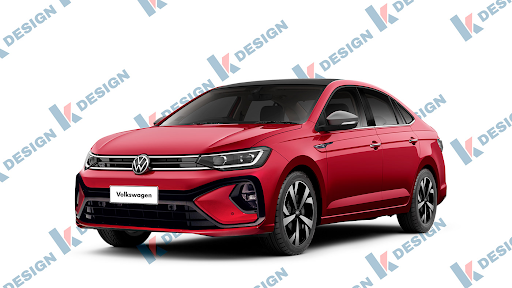
The Volkswagen Virtus stands out because it gives sedan buyers a strong mix of driving pleasure, cabin space, safety, and turbo-petrol performance. In a market where many buyers move towards SUVs, the Virtus keeps the sedan case alive with a long wheelbase, large boot, and confident highway manners.
It is closely related to the Skoda Slavia and uses the MQB A0 IN platform. Buyers usually compare Volkswagen Virtus mileage, price, engine options, and safety before choosing it over compact SUVs or rival sedans.
This article explains the practical reasons behind its appeal and the trade-offs to know before booking.
Volkswagen Virtus engine choices and character
| Engine | Power | Best suited for |
|---|---|---|
| 1.0-litre TSI | 115 PS | Daily city and highway balance |
| 1.5-litre TSI | 150 PS | Enthusiast and frequent highway use |
| Manual gearbox | Driver involvement | Buyers who enjoy control |
| Automatic gearbox | Convenience | Traffic-heavy urban users |
| DSG automatic | Quick shifts | Performance-led buyers |
Mileage expectations for Indian use
Volkswagen Virtus mileage depends heavily on engine and driving style. The 1.0 TSI can be efficient when driven smoothly. The 1.5 TSI offers stronger performance but needs a lighter right foot for better fuel economy.
| Driving pattern | 1.0 TSI planning range | 1.5 TSI planning range |
|---|---|---|
| Heavy city traffic | 10 to 13 kmpl | 9 to 12 kmpl |
| Mixed use | 13 to 16 kmpl | 12 to 15 kmpl |
| Highway cruise | 17 to 19 kmpl | 15 to 18 kmpl |
| Spirited driving | Lower than usual | Noticeably lower |
Where the sedan body style helps
- The boot is useful for airport runs and family trips.
- Rear-seat comfort feels settled because of the long wheelbase.
- Highway stability is a major strength.
- The low seating position gives a connected driving feel.
- The cabin feels more mature than many compact cars.
Virtus against key rivals
| Car | Core appeal | Main trade-off |
|---|---|---|
| Volkswagen Virtus | Driving feel and safety | Higher ownership cost than basic sedans |
| Skoda Slavia | Similar platform with different styling | Close sibling, so variant choice matters |
| Honda City | Comfort and brand trust | Less punchy than turbo rivals |
| Hyundai Verna | Features and design | Styling may not suit every buyer |
Safety and premium feel
The Volkswagen Virtus has performed strongly in safety testing and feels solid at higher speeds. Buyers who often use expressways will notice its planted ride, steering confidence, and braking feel. These qualities are harder to capture in a brochure but matter in long-term ownership.
Who should shortlist it
The Volkswagen Virtus is best for buyers who still value the sedan format and want more than basic commuting. It is not the cheapest option in the segment, but it feels rewarding when space, performance, and highway composure matter as much as features.
Ownership costs sedan buyers should factor in
The Volkswagen Virtus may cost more to buy and maintain than some simpler sedans, but it also offers stronger engines, better road manners, and a more premium driving experience. Buyers should plan insurance, tyre costs, scheduled service, and fuel bills before choosing the 1.5 TSI or DSG variants.
| Cost area | 1.0 TSI | 1.5 TSI |
|---|---|---|
| Fuel cost | Lower in calm driving | Higher if driven hard |
| Performance | Good for most users | Clearly stronger |
| Maintenance planning | Moderate | Higher attention needed |
| Best buyer | Family sedan user | Driving enthusiast |
Why the Virtus still matters when SUVs dominate
A sedan can feel more stable on highways because of its lower centre of gravity. The Volkswagen Virtus uses that advantage well. It feels planted at speed, has a large boot, and gives rear passengers a relaxed seating position.
For buyers who do not need extra ground clearance or a tall SUV stance, the Virtus remains a strong alternative. It brings back the idea that a car can be practical and enjoyable at the same time.
Feature value against compact SUVs
Many buyers compare the Volkswagen Virtus with compact SUVs at the same price. SUVs may offer a taller seating position and more ground clearance, but the Virtus gives a larger boot, stronger highway confidence, and a more engaging drive. This makes it better suited to buyers who travel fast, far, and often.
Before deciding, compare rear-seat comfort, boot loading, visibility, and parking ease. If you do not need the SUV stance, the Virtus can feel more premium and more settled for long-distance use.
Final sedan-buying view for the Virtus
The Volkswagen Virtus is for buyers who want a car that feels mature beyond its spec sheet. The engine options, boot space, safety credentials, and highway stability make it stand apart in a segment where many rivals chase only features.
It is worth shortlisting if you enjoy driving and still need a practical family sedan. Check the exact Volkswagen Virtus mileage on your test route and compare the on-road price with the Skoda Slavia and Honda City before deciding.
Buyers who spend more time on highways will appreciate the Virtus more than those who drive only short city routes. Its strengths become clearer at steady speeds, during overtakes, and on long journeys where seat comfort, stability, and boot space matter. That is where the sedan format still feels relevant.
About The Author