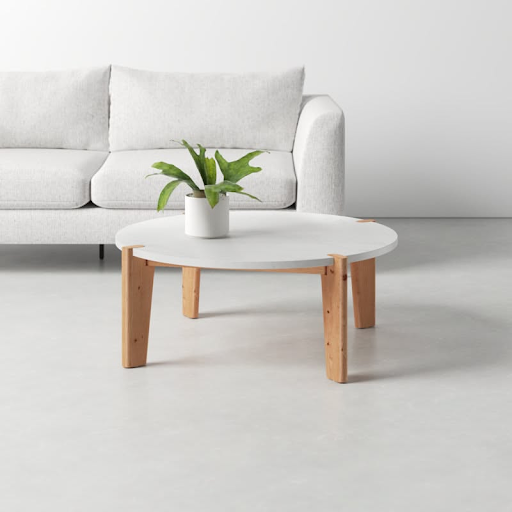
A coffee table may be one of the smallest pieces of furniture in a living room, but it can have a major impact on the room’s comfort, layout, and overall appearance. It provides a convenient surface for drinks, books, décor, and everyday essentials while helping connect the sofa and surrounding furniture into a cohesive arrangement.
Choosing the right table requires careful consideration of size, shape, height, material, and functionality. A well-selected small coffee table can be especially useful in apartments, compact lounges, and modern homes where every inch of space matters.
Understand the Available Space
Before buying a coffee table, measure the area between your sofa, chairs, and entertainment unit. The table should fit comfortably without making the room difficult to move around.
Leave enough walking space around the table so people can sit down and stand up easily. A compact design is often more suitable for smaller rooms, while larger living spaces may accommodate wider or more substantial tables. A small coffee table should provide enough surface area for everyday use without overwhelming the rest of the furniture.
Choose a Shape That Suits Your Layout
Coffee tables are available in several shapes, including rectangular, square, round, and oval designs. The best choice depends on your room layout and the shape of your existing furniture.
Rectangular tables work well with longer sofas and traditional seating arrangements. Square tables can suit larger seating areas where furniture is positioned around a central point. Round and oval tables are useful in compact spaces because they create softer lines and reduce sharp corners. Homes with children may also benefit from rounded designs, as they reduce the risk of accidental bumps against sharp edges.
Match the Table Height with Your Sofa
Height is an important factor that is often overlooked. A coffee table should generally be close to the height of your sofa seat or slightly lower. A table that is too high may feel uncomfortable, while one that is too low may be difficult to use.
Consider how you normally use the table. If it is mainly for drinks and snacks, easy reach is essential. If it is used for decorative items or books, height may be less critical but should still complement the seating arrangement.
Consider Material and Finish
The material of a coffee table can influence both its appearance and durability. Wooden tables bring warmth and a natural feel, while glass designs can make a room appear more open.
A white coffee table is a popular option for modern and minimalist interiors. White furniture can brighten a room and coordinate easily with neutral sofas, light flooring, and contemporary décor. However, it may require more frequent cleaning because dust, stains, and marks can be more visible. Metal finishes can provide an industrial appearance, while high-gloss surfaces create a sleek and polished look.
Prioritise Functionality
A coffee table should suit your daily routine. If you frequently entertain guests, choose a design with enough surface space for drinks and snacks. If storage is important, consider a table with drawers, shelves, or a lower compartment.
Lift-top coffee tables can provide additional functionality by creating a raised surface for working, dining, or using a laptop. Nesting tables are another practical option because smaller tables can be moved around or stored beneath a larger one when not needed. Think about what you need from the table instead of choosing based only on appearance.
Keep Your Interior Style Consistent
The coffee table should complement the rest of your living room furniture. A modern sofa may pair well with a clean-lined table, while a traditional interior may suit wooden furniture with more detailed finishes.
You do not need to match every item exactly. Instead, look for similarities in colour, texture, shape, or material. For example, a white coffee table can work well with light-coloured seating and metallic accessories, while a dark wood table may complement warm flooring and neutral upholstery. A balanced combination helps the room feel coordinated without appearing overly designed.
Think About Storage and Organisation
Living rooms can quickly become cluttered with remotes, magazines, books, chargers, and other everyday items. A coffee table with built-in storage can help keep these items organised.
Shelves beneath the tabletop are useful for displaying books or baskets, while drawers can hide smaller accessories. If you prefer a minimalist appearance, choose a table with concealed storage to maintain a clean surface. Furniture that combines style with storage is particularly valuable in smaller homes.
Consider Multi-Purpose Furniture
Modern homes often require furniture to serve more than one purpose. A coffee table may also function as a workspace, dining surface, display stand, or storage unit.
In homes where space is limited, flexible furniture can make everyday living easier. For example, an adjustable dining table may be useful for homeowners who need a compact setup during the week but require additional space when guests arrive. Although an adjustable dining table is designed primarily for dining areas, the same principle of flexibility can guide your choice of living room furniture.
Check Maintenance Requirements
Different finishes require different levels of care. Glass tables need frequent cleaning to avoid fingerprints, while white and high-gloss surfaces may show marks more easily.
Wooden furniture should be protected from excess moisture and direct heat. Metal surfaces may require occasional polishing depending on the finish. Choose a material that suits your lifestyle and cleaning routine. Practical maintenance considerations can help your furniture remain attractive for years.
Avoid Overcrowding the Tabletop
Once your coffee table is in place, avoid covering it with too many decorative items. A cluttered tabletop reduces its usefulness and can make the room look untidy.
Use a simple arrangement, such as a tray, a small vase, a book, or a decorative bowl. Leave enough open space for practical use. A well-styled coffee table should look attractive while remaining functional.
Conclusion
The right coffee table can improve the comfort, organisation, and visual balance of your living room. By considering available space, shape, height, materials, storage, and maintenance, you can choose a piece that suits both your home and lifestyle.
For homeowners looking for a practical small coffee table, Cozy Furniture Direct offers stylish options designed for modern interiors. Whether you prefer a bright white coffee table or furniture that reflects the flexibility of an adjustable dining table, thoughtful choices can help you create a comfortable and well-organised living space.
About The Author