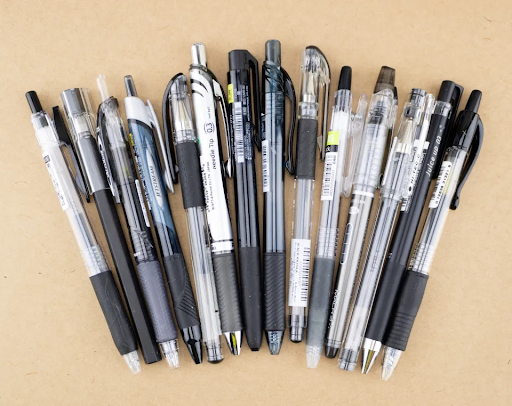
The right writing tool can make schoolwork more comfortable, readable, and efficient. Different grades require different levels of handwriting control, pressure, speed, and accuracy. A pencil may suit early learners because it allows easy corrections, while a ballpoint pen can support neat, quick writing in higher grades. Gel pens can provide smooth ink flow for students with more developed handwriting skills. Selecting suitable stationery based on age and classroom needs can improve writing comfort and reduce frustration during lessons, homework, tests, and creative activities. Understanding the strengths of each tool makes school stationery planning more practical and age-appropriate.
Why Writing Tools Matter at Different Grade Levels
Writing skills develop gradually, so a single writing tool may not suit every student. Younger learners are still developing hand strength, pencil control, letter formation, and coordination. Older students generally require tools that support faster note-taking, longer written assignments, and cleaner presentation. The type of stationery used in each grade can therefore influence comfort and handwriting quality. Pencil, ballpoint pen, and gel pen each offer different levels of control, smoothness, permanence, and correction. Selecting a tool according to developmental needs can make everyday writing tasks easier.
Pencils for Early Grades
Pencils are usually a practical choice for kindergarten and early primary grades. Pencil marks can be erased, making the tool suitable for learners who are still practicing letters, numbers, shapes, and basic sentences. A standard HB pencil offers a useful balance between darkness and firmness for everyday schoolwork.
Early learners may benefit from pencils with a comfortable grip and moderate thickness. Extremely thin pencils can be harder for small hands to control, while oversized grips may feel uncomfortable during longer activities. Pencil sharpeners, erasers, and pencil cases also form an important part of basic stationery for early education.
Ballpoint Pens for Middle Grades
Ballpoint pens often become more useful as handwriting becomes more established. Middle-grade students frequently begin writing longer answers, completing class notes, and handling assignments that require permanent writing. A ballpoint pen provides consistent ink and generally dries quickly, reducing smudging on notebooks and worksheets.
Blue and black ballpoint pens are common choices for school use. Blue ink is often suitable for everyday notes, while black ink can provide stronger contrast for headings, forms, or specific academic tasks. A medium-point tip can provide a balance between smooth writing and clear letter formation.
Gel Pens for Advanced Writing
Gel pens are known for smooth ink flow and strong color. These qualities can make them appealing for older students who write frequently or complete detailed notes. The reduced pressure needed for smooth writing can make a gel pen feel comfortable during extended writing sessions.
However, gel ink can sometimes take longer to dry than standard ballpoint ink. This characteristic may increase the risk of smearing, especially for left-handed writers or when pages are turned quickly. Gel pens can therefore work particularly well for note-taking, headings, revision notes, and selected school assignments where smooth writing is important.
A Simple Grade-Based Guide
Different educational stages can benefit from different writing tools:
| Grade Level | Recommended Tool | Main Benefit |
| Kindergarten | Soft or HB Pencil | Easy control and correction |
| Grades 1–3 | HB Pencil | Handwriting practice and accuracy |
| Grades 4–5 | Pencil or Ballpoint | Transition toward permanent writing |
| Grades 6–8 | Ballpoint Pen | Fast and reliable note-taking |
| Grades 9–10 | Ballpoint or Gel Pen | Speed, clarity, and comfort |
| Grades 11–12 | Gel or Ballpoint Pen | Extended writing and detailed notes |
The table provides a general guide rather than a strict rule. School policies, handwriting development, personal comfort, and subject requirements can affect the most suitable option.
Pencil, Ballpoint or Gel: Key Differences
Pencils provide the highest level of correction because marks can be erased easily. This makes pencils valuable for practice work, mathematics, diagrams, and early handwriting development. Ballpoint pens provide permanent writing, quick drying, and dependable performance, making them suitable for everyday classroom notes. Gel pens offer a smoother writing experience and stronger ink appearance but may require more attention to drying time.
Cost and maintenance can also differ. Pencils require regular sharpening, while pens need replacement refills or new ink cartridges. Gel pens may consume ink more quickly during heavy writing. A practical stationery collection can include more than one type so that different school tasks have an appropriate tool.
Writing Comfort and Grip
Comfort should remain an important consideration at every grade level. A writing tool that feels too thin, too thick, or too slippery can make handwriting tiring. Grip design, pen weight, tip size, and ink flow can all affect writing performance.
For younger learners, a wider and easier-to-hold pencil can support better control. Older students may prefer lightweight pens that allow faster movement across the page. Smooth ink flow can reduce the need for excessive hand pressure, which can be useful during long study sessions.
Matching Tools With School Subjects
Different subjects may require different writing tools. Mathematics often benefits from pencils because calculations, graphs, and diagrams may require frequent corrections. Science classes may involve diagrams and labeling, making pencils useful for certain activities. Language subjects and written examinations may require ballpoint or gel pens when permanent writing is expected.
Art and creative projects can also require a wider selection of stationery, including colored pencils, fine-tip pens, markers, and highlighters. Keeping tools organized by purpose can make school preparation simpler and prevent unnecessary clutter.
Tips for Building a Practical Stationery Set
A useful school stationery set does not need to contain every available writing product. A small selection of reliable tools can cover most classroom requirements. Early-grade students can start with quality pencils, erasers, sharpeners, and rulers. Middle-grade students can add blue and black ballpoint pens as permanent writing becomes more common.
Older students can include gel pens, highlighters, mechanical pencils, and extra refills according to academic needs. Testing several grip styles and tip sizes can also help identify comfortable options. A well-organized pencil case keeps essential stationery accessible and reduces time spent searching for individual items.
How Bachaa Party Supports Better Stationery Choices
Bachaa Party offers a practical destination for school stationery and everyday learning essentials, helping families explore suitable writing tools for different educational stages. A useful selection can support early handwriting practice, regular classroom note-taking, homework, revision, and creative activities. Having access to pencils, pens, and other school supplies in one place can simplify preparation for a new academic term. Bachaa Party also provides an opportunity to select stationery according to grade, writing needs, and student comfort, making school supply planning more organized and convenient.
About The Author