A felt animal, ornament, or décor piece may look simple on a retail shelf, but its journey begins much earlier, often with raw wool, skilled hands, and traditional making techniques. Nepal has built a distinctive identity around handmade crafts, with felt products now reaching buyers far beyond local markets. For retailers considering felt products in wholesale, the real opportunity lies in understanding what happens between artisan production and the finished product arriving on a global shelf. From selecting quality materials to maintaining consistency, managing bulk orders, and navigating international logistics, several carefully coordinated steps shape that journey.
It Starts With the Material
Felt begins with fibers that are processed and compressed to create a dense, versatile material. Wool is particularly suitable because of its texture, resilience, and ability to take different shapes. For retailers, the material can influence both the appearance and performance of the finished product.
A well-made felt item should have a consistent texture, secure construction, and finishing appropriate to its intended use. Experienced artisans also understand how the material behaves during shaping and felting, which helps transform raw wool into products with distinctive forms and tactile qualities.
Why Handmade Products Stand Out
Handmade products offer something that highly standardized merchandise often struggles to replicate: visible individuality. Small variations in texture, shape, or finishing can reflect the human craftsmanship behind an item. For retailers, this creates an opportunity to offer products that feel more distinctive and connected to traditional making practices. Handmade felt can also work across multiple retail categories, including home décor, gifts, children’s products, accessories, seasonal merchandise, and lifestyle collections.
What Retailers Should Check Before Ordering
Choosing a wholesale felt supplier requires looking beyond photographs and product descriptions. Retailers need to consider whether the products can meet commercial requirements without losing their handmade character.
- Material quality: Understand the type and quality of wool or felt being used.
- Construction: Check stitching, shaping, seams, attachments, and finishing.
- Consistency: Handmade variation can be appealing, but products should still meet reasonable quality standards.
- Production capacity: Confirm whether the supplier can manage larger or repeat orders.
- Customization: Ask whether colours, sizes, designs, or labels can be adapted.
- Packaging: Ensure products can be protected during storage and international transportation.
- Lead times: Establish realistic production and delivery schedules before placing an order.
These factors become particularly important when a retailer is building a long-term sourcing relationship rather than purchasing a small one-off batch.
From Artisan Workshop to Wholesale Order
Handcrafting an item and supplying hundreds of pieces are two very different challenges. A retailer needs predictable quality, clear communication, suitable packaging, and dependable production schedules. This is where an experienced wholesale supplier can play an important role. Production processes need to accommodate larger quantities while maintaining the characteristics that make handmade products appealing in the first place.
Quality control does not necessarily mean making every piece identical. Instead, it involves establishing practical standards for dimensions, finishing, construction, colours, and overall presentation. This gives retailers greater confidence when adding handmade goods to their inventory.
The Appeal of Handcrafted Felt Animal Toys
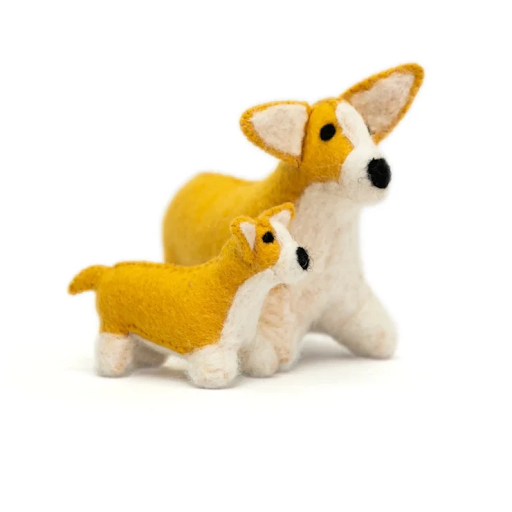
Among felt products, animal designs have particular retail potential because they combine craftsmanship with visual storytelling. Handcrafted felt animal toys can feature familiar domestic animals, wildlife, woodland creatures, birds, or imaginative characters.
Retailers can use these products in children’s collections, gift shops, educational settings, seasonal displays, and lifestyle stores. A coordinated collection can be particularly effective because customers may be encouraged to explore different animals rather than purchasing a single item.
However, retailers selling products intended for children should also pay close attention to applicable safety requirements in their target markets. Age recommendations, materials, attachments, construction, and relevant product standards should be verified before products are introduced commercially.
Why Nepal Is an Interesting Sourcing Destination
Nepal’s established craft traditions provide international buyers with access to products shaped by local skills and material knowledge. Felt manufacturing can combine traditional techniques with contemporary designs, allowing products to retain a handmade identity while fitting modern retail categories.
For overseas retailers, the sourcing relationship also extends beyond production. Products need to be checked, prepared, packaged, documented, shipped, and delivered across borders. A supplier experienced in international wholesale therefore serves as an important connection between artisan production and the practical requirements of global retail.
What Makes a Wholesale Supplier Reliable?
Product quality is only one part of a successful sourcing relationship. Retailers should also evaluate how a supplier handles the business side of an order.
Ask about:
- Minimum order quantities
- Production and lead times
- Quality-control procedures
- Custom design possibilities
- Packaging requirements
- International shipping arrangements
- Repeat-order capacity
- Communication and order coordination
Clear answers to these questions can help retailers avoid problems later in the purchasing process. A supplier that understands international wholesale requirements can also make it easier to scale a successful product range over time.
Building a Stronger Handmade Collection
The opportunity for retailers lies in treating handmade felt products as part of a carefully developed collection rather than isolated items. A store might combine felt animals with ornaments, décor, accessories, seasonal products, or other handmade goods to create a coherent merchandising concept.
This approach can also help retailers communicate the value behind the products. Customers may respond not only to the appearance of an item but also to its materials, craftsmanship, cultural connection, and production story. As consumers become more interested in products that feel distinctive and thoughtfully made, handmade collections can give retailers another way to differentiate their shelves and online catalogues.
Conclusion
The journey from a Nepali workshop to a global retail shelf involves a careful balance between craftsmanship and commercial practicality. Quality materials, skilled production, consistent standards, reliable packaging, customization, and international logistics all contribute to a successful wholesale relationship. Retailers that evaluate these elements before ordering are better positioned to develop distinctive and dependable product collections. For businesses looking to buy Nepali products online, choosing an experienced supplier can provide a practical connection to Nepal’s handmade traditions while meeting the expectations of today’s international retail market.
Best Himalaya connects international retailers and wholesale buyers with handcrafted products made in Nepal. Its product range includes felt goods, handmade animal toys, home décor, and other traditional products designed for global markets. With a focus on wholesale supply, product variety, customization, and international sourcing, the company helps businesses access Nepali craftsmanship while addressing the practical requirements of commercial buyers.
About The Author