Yoga has the ability to influence the way people move, think, and approach everyday life. What may begin as a simple interest in physical exercise can gradually develop into a deeper connection with breathing, meditation, self awareness, and traditional philosophy. As practitioners gain experience, many begin looking for opportunities to expand their knowledge and understand the principles that make yoga a complete discipline.
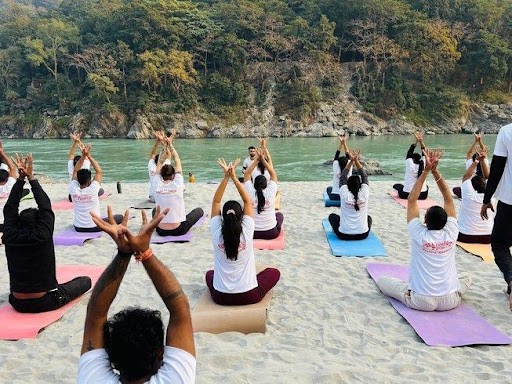
Rishikesh has become an important destination for people who want to explore yoga in an environment closely connected with its traditional roots. Surrounded by the Himalayan foothills and the peaceful presence of the River Ganga, the city offers a unique atmosphere for dedicated study and practice.
Finding the best yoga teacher training in rishikesh is not simply about choosing a popular school. It is about finding a learning environment that supports personal development, provides structured education, and encourages students to understand yoga beyond physical postures.
Himalayan Yoga Ashram offers an opportunity to explore traditional yoga education in this spiritual destination. For practitioners who want to continue beyond foundational studies, advanced teacher training can open new possibilities for personal and professional growth.
What Makes a Yoga Learning Experience Truly Valuable?
A meaningful yoga education should develop knowledge, awareness, and practical skills together. Physical practice is important, but students also need to understand the philosophy, breathing techniques, and mental discipline associated with traditional yoga.
The quality of a training experience often depends on several factors.
A Balanced Approach to Yoga
Students should have opportunities to explore different aspects of yoga rather than concentrating entirely on physical postures. A balanced programme introduces asana, pranayama, meditation, anatomy, and philosophy.
Guidance from Knowledgeable Teachers
Teachers influence how students understand and apply yogic principles. Clear explanations, practical demonstrations, and individual guidance can make the learning process more effective.
A Disciplined Learning Environment
Regular practice helps students develop consistency. A structured daily routine also provides time for theoretical study, reflection, and personal development.
Practical Teaching Experience
For people interested in becoming instructors, learning how to communicate, demonstrate postures, and guide different students is an important part of their education.
Why Rishikesh Is a Popular Destination for Yoga Studies
Rishikesh is widely recognised for its spiritual heritage and longstanding association with yoga. The city attracts practitioners, meditation enthusiasts, and students who want to learn more about traditional Indian knowledge.
One of the most appealing aspects of studying here is the atmosphere. The natural surroundings encourage a slower pace of life, while the city’s yoga culture provides opportunities to connect with people who share similar interests.
Students can experience a lifestyle that places greater importance on regular practice, mindful habits, and self reflection. This can be particularly valuable for those who want to take a break from everyday distractions and dedicate time to their education.
Rishikesh also offers exposure to different approaches to yoga. Students can explore traditional teachings while exchanging experiences with people from different cultural backgrounds.
Understanding Advanced Yoga Teacher Training
After completing foundational teacher training, many practitioners feel ready to explore yoga in greater detail. Advanced education provides an opportunity to revisit familiar subjects, develop new skills, and improve the ability to guide others.
A 300 hour yoga teacher training in rishikesh is intended for practitioners who have already completed the required foundational training and want to continue their education.
The programme builds upon existing knowledge and introduces students to more detailed aspects of yoga practice and teaching. It can help them develop a stronger understanding of traditional techniques while becoming more confident in their teaching abilities.
Some important areas of advanced learning include the following.
Advanced Asana Practice
Advanced asana study focuses on improving posture awareness, alignment, stability, and movement. Students learn to approach physical practice with greater understanding and respect for individual limitations.
The purpose is not simply to perform more challenging poses. It is to develop a deeper understanding of how the body responds to different movements and how postures can be adapted for different practitioners.
Pranayama and Breath Control
Breathing practices form an essential part of traditional yoga. Advanced study provides an opportunity to understand different pranayama methods and their place in a regular yoga routine.
Students can develop greater awareness of breathing patterns and learn why proper guidance and consistent practice are important.
Meditation and Mental Awareness
Meditation encourages concentration and a more thoughtful relationship with the mind. Through regular practice, students can learn to observe their thoughts, develop patience, and improve their ability to remain focused.
These skills can also influence the way future teachers create a calm and supportive atmosphere during classes.
Yoga Philosophy and Traditional Knowledge
Yoga philosophy introduces students to the deeper principles behind the practice. Understanding traditional teachings can help practitioners connect physical discipline with ethical values, self awareness, and personal responsibility.
This knowledge is particularly valuable for teachers who want to explain yoga as a complete lifestyle rather than simply a collection of exercises.
Anatomy and Teaching Methodology
A deeper understanding of anatomy helps teachers recognise how the body moves and responds to different postures. Teaching methodology develops the ability to plan classes, provide clear instructions, and support students with different physical abilities.
Together, these subjects can help future instructors become more knowledgeable and responsible teachers.
Experience Traditional Yoga Learning at Himalayan Yoga Ashram
Choosing a yoga school requires careful consideration of its teaching approach, course structure, learning environment, and available facilities.
Himalayan Yoga Ashram provides an opportunity to explore yoga education in the traditional surroundings of Rishikesh. Students interested in developing their practice can learn more about its programmes and understand which training option is appropriate for their experience and goals.
Those researching the best yoga teacher training in rishikesh should consider more than promotional claims. It is helpful to review the curriculum, teacher information, course requirements, accommodation details, and certification offered before making a decision.
A suitable learning environment should encourage students to ask questions, practise consistently, and develop an understanding of yoga that extends beyond the classroom.
The Importance of Ashram Life During Yoga Training
Studying in an ashram can introduce students to a more disciplined and mindful routine. Instead of focusing only on scheduled classes, the experience encourages them to make yoga part of their everyday activities.
A typical ashram routine may include morning practice, meditation, theoretical lessons, and time for personal reflection. This structure can help students develop consistency and pay greater attention to their physical and mental well being.
Living alongside other practitioners also creates opportunities to share experiences and learn from different perspectives. Students often discover that personal growth is supported not only by formal lessons but also by the everyday experience of learning together.
The simplicity of ashram life can encourage people to reconsider their habits and develop a more balanced approach to daily responsibilities.
Who Should Consider Advanced Teacher Training?
Advanced yoga education is particularly relevant for practitioners who want to expand their existing knowledge and develop their teaching abilities.
It may be suitable for:
- Certified yoga teachers interested in further professional development.
- Practitioners who want to understand traditional yoga more deeply.
- Instructors looking to improve their teaching techniques.
- Students interested in advanced pranayama and meditation.
- People who want to develop a more comprehensive personal practice.
Before enrolling, students should confirm the required previous qualification and check whether their existing training meets the school’s admission criteria.
Building Confidence as a Yoga Teacher
Teaching yoga requires patience, observation, and an understanding of individual needs. Every student approaches practice differently, and a good instructor should be able to recognise these differences.
Advanced education can help teachers improve their ability to explain postures, offer appropriate modifications, and create well organised classes. It also encourages them to continue learning and maintaining their own personal practice.
Confidence develops gradually through experience. By combining theoretical knowledge with regular practice and teaching experience, students can become more comfortable sharing yoga with others.
Make Your Next Step in Yoga Education Count
Yoga is a continuous learning experience. Every stage offers an opportunity to develop new skills, improve awareness, and understand traditional teachings from a different perspective.
For practitioners who have completed foundational studies, advanced training can provide a meaningful opportunity to expand their knowledge and strengthen their teaching approach.
Himalayan Yoga Ashram offers an opportunity to explore yoga education in Rishikesh, a destination known for its spiritual heritage and traditional learning culture.
Visit the official website to discover available programmes, course schedules, eligibility requirements, and other details. With dedication, consistent practice, and the right guidance, your next step in yoga can become an important part of your personal and professional journey.
About The Author