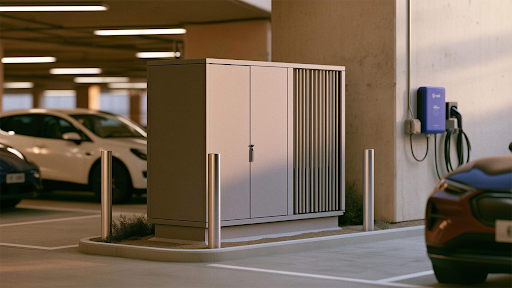
Choosing the right charging solution starts with understanding the site, users, and expected demand. Businesses should compare technical suitability, installation scope, operating costs, and after-sales support before making a decision. The primary focus of this guide is electric charging point companies, with additional consideration of EV charging companies where it is relevant to the project.
Mistake 1: Buying equipment before assessing the site
The right equipment depends on vehicle compatibility, parking duration, demand, electrical capacity, and operating model. A fast charger may not be justified where vehicles remain parked for hours, while a high-demand stop may need a different configuration. Arrange a site assessment before finalising the equipment list. Review power supply, distribution equipment, cable routes, mounting, earthing, protection, access, and connectivity.
Mistake 2: Underestimating installation costs
Equipment is only one part of the budget. The full project may include cabling, electrical upgrades, civil work, signage, barriers, connectivity, commissioning, software, and maintenance. Ask providers to itemise the quotation and identify exclusions. Include recurring expenses such as electricity, rent, software, payment processing, repairs, and downtime. A realistic budget should include contingencies rather than assuming every site matches the initial estimate.
Mistake 3: Ignoring access and user experience
A charger should be easy to locate, reach, and use. Check that parking allows vehicles to connect safely and that cables do not create hazards. Consider lighting, signs, entry rules, operating hours, security, and access needs. Plan how drivers will find pricing, start a session, and get help. Keep station details accurate on relevant listings; a functional charger may still be underused if the location is confusing.
Mistake 4: Overlooking software and connectivity
Depending on the operating model, software may be needed for status monitoring, user access, payments, tariffs, session history, and reporting. Ask **EV charging companies** which features are supported and whether recurring charges apply. Confirm how the system behaves if connectivity is interrupted. For multiple chargers or sites, consider centralised monitoring and clarify who can access or export operational data.
Mistake 5: Leaving maintenance responsibilities unclear
Before launch, agree who performs routine inspections, responds to faults, supplies replacement parts, updates software, and communicates with users. Confirm warranty exclusions and service-call arrangements. Set up a maintenance log and track uptime, sessions, energy delivered, faults, repair time, and user feedback. These records help identify recurring problems and support upgrade decisions.
Mistake 6: Expanding without a measured business case
Adding chargers can increase capacity but also adds capital and operating costs. Review actual utilisation, failed sessions, demand peaks, and feedback before expanding. Improvements to visibility, access, pricing, or reliability may address a problem more effectively than buying more equipment. Plan for expansion where feasible, but tie each phase to demand and budget.
Work with a provider that communicates clearly
Ask for a written scope covering site assessment, equipment, installation, commissioning, software, maintenance, and handover. Compare proposals using the same checklist and confirm timelines, responsibilities, and change-control procedures. Businesses researching **electric charging point companies** should review current offerings and verify technical specifications, support coverage, and commercial terms directly.
Frequently Asked Questions
What should I check when researching electric charging point companies?
Compare the full scope, technical compatibility, site feasibility, software, warranty, maintenance, service response, and total cost of ownership.
How does EV charging companies fit into an EV charging project?
The commercial model or supporting solution should be assessed against site demand, responsibilities, recurring costs, agreement terms, and the operator’s long-term goals.
Is the lowest equipment price always the best choice?
No. Installation, software, electricity, maintenance, downtime, and upgrades can affect the total cost. Compare complete proposals rather than hardware prices alone.
What should happen before installation begins?
Arrange a technical site assessment, confirm electrical capacity and access, clarify permissions and contractor responsibilities, and agree on the scope and timeline.
Conclusion
Working with **electric charging point companies** is more effective when the project is planned around site realities, clear responsibilities, and long-term costs. Avoid selecting equipment before a technical survey, budget for installation and maintenance, and design for a simple user experience. Compare **EV charging companies** against a consistent checklist before committing.
About Earthtron EV: For more information, visit Earthtron EV and confirm the company’s current products, service scope, and commercial terms directly.
About The Author