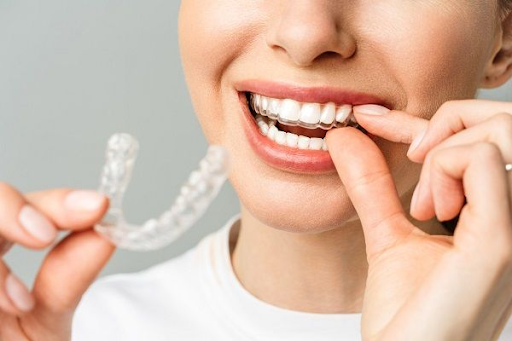
A healthy smile enhances confidence, appearance, and overall oral health. Issues like crowded teeth, gaps, and bite problems can impact both dental function and aesthetics. Modern orthodontic advancements have introduced comfortable and effective solutions, with clear aligners becoming a preferred choice for many individuals. These customised trays gradually shift teeth into proper positions through controlled pressure, offering a discreet alternative to traditional braces.
Choosing the best aligners for teeth depends on individual dental needs, alignment concerns, and treatment goals, helping patients achieve a balanced, functional, and improved smile with personalised orthodontic care.
Understanding Orthodontic Aligners and Their Function
Orthodontic aligners are clear, removable trays designed to correct various teeth alignment concerns through gradual movement. Unlike traditional braces with brackets and wires, aligners use customised trays that apply gentle pressure to guide teeth into better positions. The treatment begins with a detailed orthodontic consultation, where dental professionals assess tooth alignment, bite patterns, jaw structure, and oral health.
Digital scanning technology helps create a personalised treatment plan for predictable results. Patients receive multiple aligner sets, with each tray continuing the progress of the previous one. Wearing aligners as recommended helps achieve gradual, comfortable, and effective improvements in dental alignment.
How Aligners Help Correct Crowded Teeth
Crowded teeth are one of the most common orthodontic concerns. This condition occurs when there is not enough space in the jaw for teeth to align properly, causing overlapping, twisting, or uneven positioning. Crowded teeth can make cleaning difficult and may increase the risk of plaque buildup and gum problems.
Orthodontic aligners help manage crowding by creating gradual tooth movement. Each customised tray focuses on specific areas that require adjustment, slowly guiding teeth into a straighter arrangement. Depending on the severity of crowding, treatment plans may vary, and regular orthodontic evaluations help ensure the teeth are moving correctly.
Aligners for Closing Gaps Between Teeth
Spaces between teeth can occur due to natural development, missing teeth, tooth size differences, or certain oral habits. While small gaps may not always affect dental function, some individuals prefer to correct them for a more uniform smile.
Aligners work by applying controlled pressure that gradually moves teeth closer together. The customised design ensures that each movement happens according to a planned sequence. This helps create balanced spacing while maintaining proper alignment between surrounding teeth.
Closing gaps through orthodontic treatment can also support improved bite function and create a more symmetrical appearance. A professional assessment helps determine the most suitable approach based on the size and location of the gaps.
Managing Overbite and Bite Alignment Problems
Bite alignment plays an important role in chewing comfort and long-term dental health. An overbite occurs when the upper front teeth extend too far over the lower teeth, while other bite concerns may involve incorrect positioning between the upper and lower jaws.
Orthodontic aligners can help address certain bite issues by guiding teeth into better positions. Through planned tooth movements, aligners can improve how the upper and lower teeth come together. However, the suitability of aligner treatment depends on the complexity of the bite problem.
Correcting Crossbite and Underbite Concerns
Crossbite occurs when some upper teeth sit inside or behind the lower teeth, while an underbite happens when the lower teeth extend beyond the upper teeth. These conditions can affect chewing patterns and may contribute to uneven tooth wear.
Depending on the severity of the condition, orthodontic aligners may be recommended as part of a comprehensive treatment plan. Mild to moderate cases can often benefit from gradual tooth movement using customised trays. More complex cases may require additional orthodontic approaches.
The Step-by-Step Process of Aligner Treatment
The aligner treatment journey usually involves several important stages. The first step is an orthodontic consultation, where dental concerns and treatment expectations are discussed. The orthodontist examines the teeth and develops a customised plan based on the patient’s needs.
After the treatment plan is created, personalised aligners are prepared. Patients are instructed to wear each set for the recommended period before progressing to the next tray. Consistency is essential because aligners require regular use to maintain the planned tooth movement.
For individuals seeking professional guidance and customised solutions, teeth aligner treatment in Singapore provides access to modern orthodontic techniques designed to improve smile alignment with comfort and precision.
Benefits of Choosing Orthodontic Aligners
Improved Comfort During Treatment
Clear aligners are made from smooth materials that are designed to fit comfortably over the teeth. Unlike traditional braces, they do not contain metal brackets or wires that may cause irritation inside the mouth.
Better Oral Hygiene Maintenance
Since aligners are removable, patients can continue their normal brushing and flossing routines. Maintaining good oral hygiene during orthodontic treatment helps support healthier teeth and gums.
Discreet Appearance
Many people choose aligners because they are transparent and less noticeable. This makes them suitable for teenagers and adults who prefer a more subtle orthodontic solution.
Flexible Lifestyle Benefits
Aligners can be removed during meals, allowing patients to enjoy their preferred foods without major restrictions. This flexibility makes them a convenient option for individuals with active lifestyles.
Factors That Influence Aligner Treatment Results
The success of orthodontic aligner treatment depends on several factors, including the complexity of the dental condition, consistency in wearing aligners, and regular professional monitoring. Patients who follow their orthodontist’s instructions generally have a smoother treatment experience.
Good oral hygiene, proper aligner maintenance, and attending scheduled appointments also contribute to achieving successful results. Since every smile is different, treatment duration and outcomes can vary from person to person.
Conclusion
Orthodontic aligners offer a modern approach to improving teeth alignment through customised, comfortable, and discreet treatment methods. By addressing concerns such as crowding, gaps, and bite problems, aligners help patients work towards a healthier and more confident smile. Choosing the best aligners for teeth requires professional evaluation and personalised care to achieve effective results.
Bracesaurus provides specialist orthodontic solutions designed to support different smile correction needs. The clinic offers advanced orthodontic treatments, including traditional braces and aligner solutions, along with detailed consultations, customised treatment planning, and expert orthodontic care. With a focus on patient comfort and effective results, Bracesaurus helps individuals achieve improved dental alignment through modern orthodontic techniques.
About The Author