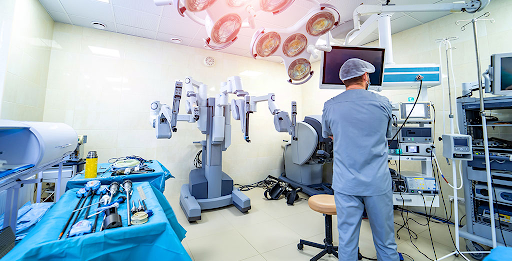
Advancements in cardiac care have significantly transformed the way heart diseases are treated. Patients suffering from complex cardiac conditions can now undergo procedures that are safer, more precise, and minimally traumatic. These innovations have reduced recovery time, minimized complications, and improved overall outcomes. Among the most groundbreaking advancements is minimally invasive cardiac surgery, which allows surgeons to perform delicate interventions through smaller incisions, significantly reducing trauma to the body. Patients experience less pain, quicker mobility, and a faster return to daily life, making this approach a preferred choice for modern cardiac care.
The Role of Precision in Modern Heart Surgery
Surgeons now rely on detailed imaging, advanced instrumentation, and meticulous planning to ensure interventions are safe and effective.
- Advanced Imaging Technology
High-resolution 3D imaging allows surgeons to visualize the heart in intricate detail. By mapping the heart’s unique anatomy, surgeons can plan each step of the operation with extreme accuracy. - Personalized Surgical Planning
Personalized planning considers the location of blockages, the strength of the heart muscle, and overall patient health. This approach maximizes the effectiveness of the procedure and minimizes unnecessary interventions, improving recovery and long-term heart function. - Minimized Tissue Damage
Precision surgery targets only the affected areas of the heart, limiting trauma to surrounding tissues. Reduced tissue damage translates into less pain, lower inflammation, and fewer post-operative complications. - Coordinated Surgical Teams
Surgeons, anesthesiologists, nurses, and support staff work in harmony to ensure every step of the procedure is executed flawlessly. This teamwork not only increases surgical success rates but also enhances patient safety and overall experience throughout hospitalization and recovery.
Advantages of Minimally Invasive Techniques
Minimally invasive techniques have revolutionized heart surgery by reducing trauma, enhancing recovery, and providing excellent outcomes.
- Smaller Incisions
Smaller incisions also reduce the risk of infection and bleeding. Patients often report a more comfortable recovery experience, with the added benefit of minimal visible scars, which can positively impact confidence and mental well-being during the healing process. - Shorter Hospital Stays
Patients undergoing minimally invasive procedures typically spend fewer days in the hospital. This not only lowers healthcare costs but also enables patients to return home and to familiar environments more quickly, which can significantly improve recovery and overall well-being. A shorter hospital stay also reduces exposure to hospital-acquired infections. - Lower Infection Risk
Smaller surgical wounds and less exposure of internal tissues dramatically reduce the likelihood of post-operative infections. This is particularly important for cardiac patients, as infections can significantly impact recovery and overall heart health. Fewer infections also reduce the need for additional medications or treatments, streamlining the healing process. - Faster Rehabilitation
Minimal tissue trauma allows patients to start rehabilitation exercises sooner. Early mobilization improves cardiovascular health, muscle strength, and flexibility. It also helps prevent complications such as blood clots and respiratory issues, making the recovery process more efficient and safer for the patient.
Cost Considerations in Cardiac Care
Understanding the minimally invasive heart surgery cost is essential for patients exploring their treatment options.
- Value for Advanced Techniques
While these procedures may require a higher initial investment, the long-term benefits make them cost-effective. Faster recovery, reduced complications, and fewer hospital readmissions translate into savings over time. Patients also experience less disruption to work and daily life, which adds intangible value. - Insurance and Coverage Options
Many insurance providers recognize the benefits of minimally invasive surgery and offer coverage for medically necessary procedures. Understanding the coverage options allows patients to access advanced care without financial strain. Proper planning ensures patients can choose the most suitable surgical approach without compromising safety or quality. - Reduced Long-Term Expenses
Patients who undergo minimally invasive procedures are less likely to require additional surgeries or extended care. This long-term financial advantage is an important consideration for families planning cardiac care, as it reduces ongoing medical costs and promotes sustained health benefits. - Financial Planning and Guidance
Hospitals and cardiac centers often provide financial counseling to help patients navigate insurance claims, billing, and payment plans. This guidance ensures patients can focus on recovery rather than financial concerns, improving overall experience and reducing stress during the treatment journey.
Robotic Assistance in Heart Surgery
Robotic technology has enhanced precision, allowing surgeons to perform complex procedures with minimal invasiveness.
- Superior Surgical Accuracy
Surgeons can repair delicate heart structures with unmatched precision, reducing the risk of complications and ensuring optimal functional results. - Improved Visualization
3D magnified views give surgeons clear insight into the heart’s internal structures. This enhanced visualization allows careful manipulation of instruments and improves surgical accuracy, contributing to better patient outcomes. - Consistency in Complex Procedures
This consistency reduces errors and improves overall success rates, particularly in patients with complicated cardiac conditions. - Reduced Recovery Time
Less trauma to tissues and organs means that patients experience faster healing. Shorter recovery enables earlier mobilization, improved physical therapy participation, and quicker return to daily life.
Post-Operative Care and Rehabilitation
Recovery is a critical part of cardiac care. Structured post-surgery programs enhance long-term outcomes and ensure patients regain strength efficiently.
- Individualized Rehabilitation
Rehabilitation plans are tailored to each patient’s condition and recovery needs. This includes monitored exercise routines, dietary guidance, and cardiovascular therapy, ensuring the heart regains strength and function in a safe and effective manner. - Continuous Monitoring
Regular follow-ups and diagnostic checks allow early detection of complications. Prompt intervention prevents minor issues from escalating, reducing readmission rates, and supporting optimal long-term outcomes. - Patient Education
Understanding medications, diet, and lifestyle adjustments empowers patients to maintain heart health. Educated patients are more likely to comply with medical advice, improving recovery and reducing the risk of future heart problems. - Supportive Care Teams
A coordinated team including nurses, physiotherapists, and nutritionists provides comprehensive support. Their involvement ensures patients receive holistic care, addressing both physical recovery and overall well-being.
Conclusion
Advanced heart surgery has revolutionized cardiac care by reducing risks and promoting faster recovery. Procedures like CABG bypass surgery offer life-saving solutions with fewer complications, shorter hospital stays, and improved long-term heart function.
Those who are looking for trusted and advanced cardiac care, Dr. Udgeath Dhir is a leading expert in cardiac surgery, renowned for providing state-of-the-art interventions that combine precision, safety, and patient-centered care. Recognized as one of the most trusted cardiovascular surgeons, Dr. Udgeath Dhir ensures each patient receives tailored treatment and world-class support. His team leverages innovative techniques to restore heart function efficiently, minimize risks, and enhance overall quality of life, setting the standard for modern cardiac care.
About The Author