Technology plays an essential role in modern businesses, but every upgrade eventually creates a new challenge: what should happen to the equipment that is no longer needed? Old laptops, desktops, servers, networking devices, storage hardware, printers, and other electronics can quickly occupy valuable office or storage space. More importantly, they may contain sensitive business information and components that require careful handling. A structured approach to E waste collection can help organisations clear outdated assets while protecting data, recovering value, and supporting responsible disposal practices.
Why Outdated IT Equipment Requires Proper Management
As businesses upgrade their technology, older equipment can become obsolete long before it is physically unusable. Devices may no longer support current software, meet performance requirements, or fit into an organisation’s technology infrastructure. Simply leaving these assets in storage can create unnecessary clutter and make it harder for businesses to maintain an accurate inventory.
Old equipment can also retain residual value. Working laptops, servers, networking hardware, monitors, and other devices may still have resale, refurbishment, or component value. Instead of allowing these assets to sit unused, businesses can evaluate whether they can be sold, reused, refurbished, or processed through appropriate recycling channels. Responsible handling also reduces the possibility of electronic waste being disposed of through unsuitable methods. Businesses dealing with large quantities of obsolete equipment need a process that considers both the financial and environmental aspects of asset disposal.
Protecting Business Data During IT Asset Disposal
Data security is one of the most important considerations when retiring technology. Computers, servers, storage devices, and other equipment can contain customer information, financial records, employee details, business documents, credentials, or other confidential data.
Deleting files manually does not necessarily provide sufficient assurance that information cannot be recovered. Businesses therefore need a controlled process for data wiping or destruction before equipment moves into resale, refurbishment, or recycling. A responsible IT asset disposal process should establish clear steps for identifying storage devices, securing them during collection, and ensuring that information is properly removed. Where necessary, physical destruction may also be considered for damaged or unsuitable storage media.
Turning Unused Equipment into Recoverable Value
Outdated does not always mean worthless. The actual value of an IT asset can depend on its condition, specifications, age, brand, functionality, quantity, and current market demand. For businesses replacing equipment in bulk, assessing these factors can make asset disposal more financially efficient. Functional equipment may be suitable for resale or refurbishment, while components from non-working devices may still have recoverable value.
A structured assessment can also help organisations separate equipment according to condition and potential use. Instead of treating every item as general scrap, businesses can identify which assets may generate a return and which require recycling or specialised disposal. This is particularly useful during office relocations, technology upgrades, data centre clear-outs, and large-scale hardware replacement projects, when hundreds of devices may need to be processed within a limited timeframe.
Making Large-Scale Collections More Efficient
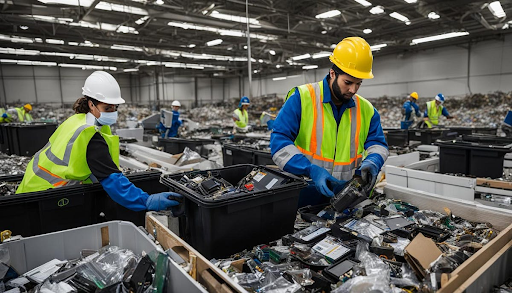
Managing a few outdated computers is different from clearing an entire office or facility. Bulk IT asset disposal can involve significant quantities of desktops, laptops, servers, networking equipment, monitors, storage devices, printers, and related electronics. Without an organised collection process, employees may need to spend valuable working hours sorting, packing, transporting, and documenting equipment. This can create operational disruption and increase the effort involved in an otherwise routine technology upgrade.
Professional collection services can simplify this process by coordinating pickup according to the organisation’s requirements. Businesses can arrange for equipment to be collected from their premises rather than organising separate transportation for every item. For organisations searching for IT equipment recycling near me Dubai, accessibility is especially useful when outdated hardware has accumulated across offices, warehouses, or commercial facilities. A convenient local collection arrangement can reduce logistical challenges while helping businesses move obsolete assets out of their premises efficiently.
Creating a Clear IT Asset Disposal Process
A practical disposal programme can begin with a simple inventory. Businesses should identify the equipment being retired, record relevant details, and separate assets according to type and condition. The next stage should focus on data security. Devices containing storage media should be identified and handled through an appropriate data sanitisation process before they are resold, reused, or recycled.
After this, businesses can obtain valuations where applicable and determine which equipment can be sold, refurbished, reused, or sent for recycling. Collection can then be scheduled according to the quantity and location of the assets. Documentation is another useful part of the process. Keeping records of equipment collected, its condition, valuation, and disposal route can make internal asset management easier and provide greater visibility during future technology upgrades.
Choosing a Suitable IT Asset Buyer
The organisation handling obsolete equipment can influence how straightforward the entire process becomes. Businesses should look for a service provider that communicates clearly, provides transparent evaluations, handles equipment securely, and can accommodate both individual assets and larger corporate clear-outs.
Convenience also matters. Collection support can reduce the burden on internal teams, while prompt payment can help businesses recover value without unnecessary delays. Most importantly, the process should take data security and responsible equipment handling seriously. A dependable service should be capable of adapting to different requirements rather than applying the same approach to every customer. A small business replacing a few laptops may need a different arrangement from an organisation clearing an entire server room.
Conclusion
Managing outdated IT equipment responsibly can help businesses address storage, security, financial, operational, and environmental considerations at the same time. With proper assessment, secure data handling, organised collection, and appropriate recycling or resale channels, old technology can be managed more efficiently rather than becoming a long-term burden.
For businesses that need a practical way to sell or clear unwanted technology, IT Scrap Buyer provides solutions designed around convenient collection, transparent dealings, secure handling, and equipment recovery across the UAE. Their approach accommodates everything from individual devices to larger corporate requirements, helping organisations simplify the process while maintaining attention to asset value and responsible handling. Ultimately, a well-planned IT asset disposal process is not simply about removing old electronics.
About The Author