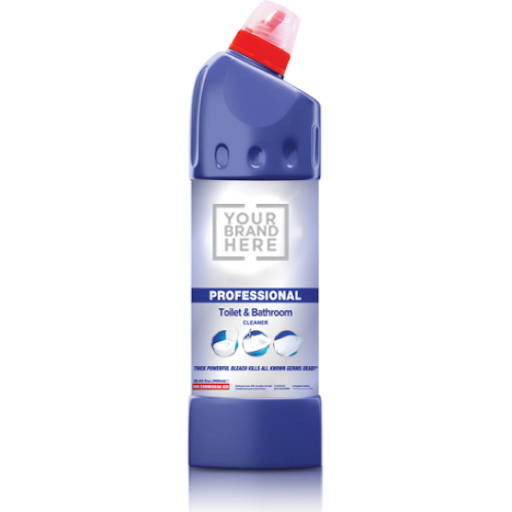
Walk down the cleaning aisle of any supermarket and you’ll notice something interesting. New brands keep appearing, sleek labels, confident claims, and promises of better hygiene for modern homes. But very few of these brands own factories, develop chemical formulas from scratch, or manage complex production lines, instead, many rely on contract manufacturing toilet cleaner solutions to bring high-quality products to market efficiently and at scale.
So how do they do it?
The real story of today’s hygiene brands unfolds quietly, behind the scenes, where manufacturing partners turn ideas into finished products that meet safety standards, market expectations, and tight timelines. This blog explores how that process works, why it matters, and how businesses are using smart partnerships to build trusted hygiene labels without building everything themselves.
The Shift from Manufacturing to Brand Building
Not long ago, launching a cleaning product meant investing heavily in infrastructure. You needed machines, chemists, raw materials, compliance teams, and storage space before even selling your first bottle.
Today, the model has changed.
Entrepreneurs and established distributors alike are focusing on what they do best:
- Understanding customer needs
- Creating strong branding and packaging
- Building distribution networks
- Marketing effectively
Manufacturing, meanwhile, is handled by specialists who already have the systems, experience, and certifications in place. This shift allows brands to move faster, reduce risk, and scale without massive upfront costs.
How Private Labeling Brings Brands to Life
Private labeling is often misunderstood as simply “putting your logo on a generic product.” In reality, it’s far more collaborative.
A strong private-label partnership typically includes:
- Custom or semi-custom formulations
- Packaging design support
- Label compliance checks
- Batch testing and quality assurance
For example, brands offering toilet care products often rely on toilet bowl cleaner private label services to tailor fragrance profiles, cleaning strength, and bottle formats for specific markets. The end result feels unique, even though the manufacturing happens elsewhere.
This approach lets brands maintain identity while benefiting from proven production systems.
Wet Wipes: A Category That Requires Precision
Wet wipes have become everyday essentials, in homes, offices, hospitals, and travel kits. But manufacturing them isn’t simple.
Each wipe must balance:
- Fabric quality
- Moisture retention
- Solution safety
- Packaging that prevents drying
This is why brands increasingly collaborate with private label wet wipes manufacturers that specialize in material sourcing, liquid formulation, and high-speed production. The margin for error is small, and consistency matters more than ever.
For brands, outsourcing this complexity allows them to focus on positioning and customer trust instead of technical challenges.
Speed to Market Without Cutting Corners
One of the biggest advantages of outsourcing production is speed.
Experienced manufacturing partners already have:
- Tested formulations
- Approved raw material suppliers
- Established quality protocols
This means brands can go from concept to shelf in months rather than years. Importantly, speed doesn’t have to mean compromise. Reputable partners follow strict testing procedures, ensuring each batch meets performance and safety benchmarks.
In competitive hygiene markets, this balance of speed and reliability can be the difference between success and obscurity.
Scaling Without Growing Pains
Early success brings its own challenges. A product that sells well locally may suddenly need to serve regional or international demand.
Manufacturing partners are built for this.
Instead of scrambling to expand facilities, brands can:
- Increase order volumes
- Adjust packaging sizes
- Enter new markets with minimal disruption
Because production systems are already scalable, growth feels controlled rather than chaotic. This flexibility is especially valuable in hygiene categories, where demand can spike unexpectedly due to seasonal changes or public health concerns.
Quality Control: The Invisible Brand Protector
Customers rarely see quality control, but they feel its absence immediately.
Reliable manufacturing partners invest heavily in:
- Batch testing
- Ingredient traceability
- Stability checks
- Regulatory documentation
This behind-the-scenes discipline protects brands from recalls, reputation damage, and compliance issues. It also ensures consistency, so the product a customer buys today works the same way months later.
For hygiene brands, quality control isn’t optional. It’s fundamental.
Conclusion
Behind every successful hygiene product is a network of expertise that consumers never see. From formulation to filling, from compliance to packaging, manufacturing partners play a quiet but critical role in shaping brand success.
For businesses looking to launch or expand in the hygiene space, working with experienced production specialists isn’t a shortcut, it’s a strategic decision. Platforms like Perfect Hygiene represent how modern manufacturing support helps brands turn ideas into trusted, shelf-ready products without unnecessary complexity. In today’s market, the smartest brands aren’t built alone, they’re built through the right partnerships.
About The Author