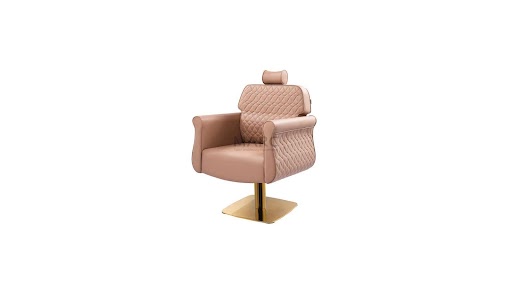
In professional salon environments, furniture quietly influences how clients perceive service quality, brand credibility, and operational discipline. From the first interaction, seating comfort and spatial flow establish expectations. For any salon chair manufacturer, design is not merely about appearance but about enabling consistent service delivery, supporting professionals, and reinforcing trust through physical experience. When furniture is thoughtfully designed, it becomes part of the service itself rather than a background element.
Furniture Design as a Business Foundation
Furniture decisions affect far more than visual appeal. They influence workflow efficiency, staff comfort, and how long a space remains operational without disruption. In a professional setting, furniture must support daily use while maintaining its form and function.
Well-designed furniture contributes to a predictable service environment. It supports a consistent client experience, reduces operational friction, and aligns physical space with business intent.
Client Comfort and Experience Design
Comfort plays a central role in how clients evaluate a salon visit. Seating posture, cushioning quality, and adjustability directly influence how relaxed clients feel during services.
When furniture supports natural posture and minimizes discomfort, clients are more likely to associate the brand with care and professionalism. This perception strengthens long-term relationships and repeat engagement.
Ergonomics and Functional Efficiency
Ergonomic design benefits both clients and professionals. Adjustable components allow precise positioning, reducing strain during long service hours.
For staff, ergonomics supports productivity and reduces fatigue. For clients, it creates a stable and comfortable experience, reinforcing confidence in the service being delivered.
The Role of Salon Chairs in Service Quality
Salon chairs sit at the center of most services, making their design critical to both experience and efficiency. Beyond comfort, chairs influence posture, accessibility, and how smoothly professionals can perform their work. Thoughtful chair design supports service consistency while maintaining visual harmony within the space.
Structural Stability and Client Confidence
A stable chair immediately communicates safety and reliability. Clients may not consciously evaluate construction quality, but they sense instability quickly. Strong base support and balanced weight distribution help clients relax, allowing professionals to focus on service execution without interruption or adjustment.
Adjustability and Service Precision
Adjustable height and positioning allow professionals to tailor setups for different services and client needs. This flexibility supports accuracy and comfort simultaneously. When adjustments are smooth and intuitive, service flow improves, reducing downtime and maintaining focus throughout appointments.
Upholstery and Long-Duration Comfort
Upholstery affects how clients feel during extended services. Cushion density and surface finish play a role in maintaining comfort without compromising posture. Durable, easy-to-maintain materials also support hygiene standards, which are essential in professional environments.
Spatial Planning and Layout Impact
Furniture placement defines how space functions. Clear pathways and logical positioning improve movement and reduce congestion during peak hours. Efficient layouts also enhance staff coordination. When furniture supports natural service sequencing, operations feel organized and intentional.
Visual Consistency and Brand Identity
Furniture contributes to a salon’s visual language. Consistent design elements help establish brand identity without relying on overt branding. A cohesive environment communicates planning and professionalism, reinforcing trust before services even begin.
Material Selection and Long-Term Performance
Material choice directly impacts durability, maintenance, and overall lifespan. In professional settings, furniture must withstand constant use while retaining its appearance. Selecting appropriate materials ensures long-term value and operational stability.
Durability Under Daily Commercial Use
Professional salons require furniture built for continuous operation. Frames, joints, and finishes must handle repeated adjustments and weight variations. Durable construction minimizes repair frequency, helping businesses maintain uninterrupted service schedules.
Ease of Cleaning and Hygiene Maintenance
Materials should support quick and effective cleaning. Smooth finishes and accessible surfaces help maintain hygiene standards efficiently. Furniture designed with maintenance in mind reduces downtime and supports compliance with professional expectations.
Aesthetic Longevity and Finish Retention
Over time, inferior finishes show wear quickly. High-quality materials retain color, texture, and form despite frequent use. A well-maintained appearance reinforces professionalism and protects brand image over the long term.
Supplier Reliability and Business Continuity
Working with an experienced salon chair supplier ensures consistency in quality, timelines, and support. Reliable suppliers understand commercial demands rather than short-term trends.
Strong supplier relationships support scalability, enabling businesses to expand or refresh spaces without operational disruption.
Customization and Space Optimization
Not all salon spaces are identical. Customization options allow furniture to align with layout constraints and service requirements.
Tailored specifications help businesses maximize usable space while maintaining visual balance and service efficiency.
Design Decisions That Support Operational Scalability
As businesses grow, furniture must adapt without requiring complete redesigns. Scalable design supports evolving service offerings and spatial adjustments. Thoughtful planning ensures furniture remains relevant as operational needs change.
Modular Thinking for Flexible Layouts
Furniture designed with modular principles allows easier reconfiguration. This flexibility supports changing service volumes or new offerings. Modular approaches reduce long-term costs by extending furniture usability across different layouts.
Standardization Across Multiple Locations
For businesses operating more than one location, consistent furniture design supports brand uniformity. Standardized design simplifies procurement, training, and maintenance while reinforcing brand identity.
Long-Term Investment Perspective
Furniture should be evaluated based on lifecycle value rather than upfront cost. Performance over time defines true return on investment. Reliable design reduces replacement frequency and supports predictable budgeting.
Innovation Without Disruption
Innovation in furniture design often lies in refinement rather than radical change. Improved mechanisms, better materials, and enhanced ergonomics elevate usability.
These improvements integrate seamlessly into existing workflows, preserving efficiency while enhancing experience.
Aligning Furniture With Professional Expectations
Professional clients expect furniture that reflects industry standards. Design, comfort, and durability must align with service positioning.
Furniture that meets these expectations reinforces credibility and supports long-term business relationships.
Summary: Design as a Business Experience Tool
Thoughtful furniture design shapes how clients perceive professionalism, comfort, and care. From ergonomics to material selection, every design decision contributes to service quality and operational efficiency. In professional environments centered on beauty salon furniture, design becomes an extension of the service itself.
For businesses seeking purpose-built, commercially focused solutions, MARC Salon Furniture focuses on manufacturing and supplying furniture designed for long-term professional use. Their approach reflects an understanding of operational demands, customization needs, and the role furniture plays in shaping client experience across professional salon spaces in India.
About The Author