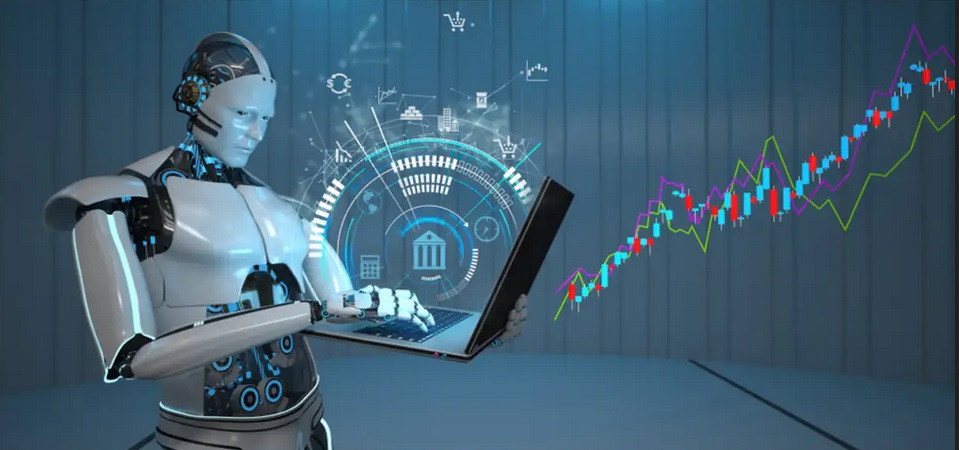
The landscape of commodity markets has evolved dramatically in recent years. No longer the exclusive domain of floor traders and telephone orders, commodity trading is now increasingly dominated by algorithms. These systems, designed to make split-second decisions based on pre-programmed strategies, are reshaping the speed, structure, and psychology of modern trading.
In commodities trading, algorithmic methods are becoming more common, and understanding their influence is crucial for anyone navigating today’s markets.
Speed and Efficiency Redefined
One of the most visible impacts of algorithmic trading is speed. These systems can process large volumes of data in real time, executing trades within milliseconds. This level of efficiency far exceeds human capabilities and has led to tighter bid-ask spreads, increased liquidity, and faster market reactions.Traders using traditional methods may find it difficult to keep pace without the aid of automation. In many cases, institutions have turned to algorithmic models to manage high-frequency strategies or to break up large orders without disturbing the market. Within the sphere of commodities trading, this has introduced a new standard of execution.
Data Is the New Commodity
Algorithms rely on data. Price feeds, order book depth, economic indicators, and even satellite imagery can be part of a trading model’s input. As more data becomes available in real time, the quality and timing of that data become competitive assets.
Firms now invest heavily in acquiring proprietary data or enhancing their ability to process public information faster than rivals. This trend is creating a new arms race in commodities trading, where informational speed and quality directly influence profitability.
Market Structure Is Adapting
The influence of algorithmic trading has changed how markets behave. Volume now appears in bursts rather than steady flows. Certain timeframes, such as the first and last minutes of a trading session, have become more volatile due to algorithmic order clustering.
This shift requires discretionary traders to adjust their timing and expectations. Patterns that once worked reliably may no longer function in the same way. Recognizing the presence of algorithms in price movement can help interpret unusual chart behavior and avoid false signals in commodities trading.
Risk Management Becomes More Complex
With speed comes risk. Algorithms can make thousands of decisions per second, but they can also malfunction just as quickly. A poorly written or untested model may place inappropriate trades, causing significant financial loss in seconds. Flash crashes and erratic price spikes are often tied to algorithmic misbehavior.
As a result, risk management in commodities trading now involves overseeing systems as well as positions. Human oversight, kill switches, and circuit breakers have become essential safeguards in markets increasingly run by code.
Retail Access to Algorithms Is Growing
While institutions led the charge in algorithmic development, retail traders are no longer left behind. Platforms now offer algorithm-building tools, automated strategy testing, and even access to third-party bots. This shift is lowering the barrier to participation in modern trading environments.Retail traders who take the time to learn programming basics or use visual coding tools can create systems tailored to their risk appetite and trading style. As retail adoption grows, the influence of algorithmic participation in commodities trading continues to expand.
The Human Element Still Matters
Even in a market dominated by algorithms, human judgment retains its importance. Models must be designed, tested, and adjusted based on real-world developments. News events, regulatory changes, and black swan occurrences still require interpretation and reaction that machines alone cannot handle.
Successful traders blend automation with intuition. They use algorithms to handle routine execution but rely on human insight to guide overall strategy. In commodities trading, this hybrid approach allows for adaptability in a rapidly shifting environment.
A New Era of Competition and Opportunity
Algorithmic trading has become a core part of today’s commodity markets. While it introduces challenges for traditional participants, it also brings new levels of opportunity. Traders who understand the mechanics and influence of algorithms can position themselves to benefit rather than be displaced.
Whether building your own models or simply learning to trade alongside them, adapting to this trend is no longer optional. In commodities trading, staying informed is not just about price. It is about the forces behind the price, and algorithms are increasingly one of the most powerful.
About The Author